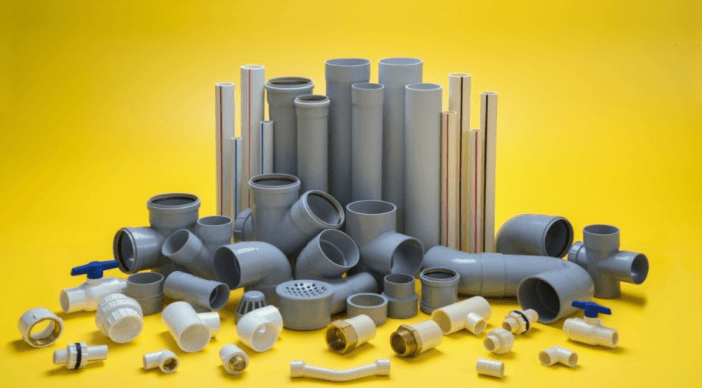
Selecting pipe materials requires weighing durability, cost, and corrosion resistance. Copper offers long-term reliability and chemical compatibility for indoor runs, though with higher upfront expense. PEX provides flexible routing and reduced labor, yet exposure and compatibility must be evaluated. PVC is cost-effective with straightforward installation but varies by application. Cross-material compatibility, installation practices, and lifecycle impacts shape the choice, leaving a pause for how these factors balance in specific systems.
What to Look for in Plumbing Pipes: Durability, Cost, and Corrosion Resistance
Plumbing pipes must balance several core criteria: durability to withstand pressure and temperature variations, cost over the system’s life cycle, and resistance to corrosion that can degrade water quality and pipe integrity.
The examination compares long-term reliability against upfront expense, highlighting durability vs cost as a critical tension.
Corrosion resistance considerations guide material choice, reducing maintenance, failures, and hidden lifecycle risks.
Copper, PEX, PVC, and More: Quick Profile of Common Pipe Materials
Copper, PEX, PVC, and other common pipe materials each present distinct performance profiles regarding strength, installability, cost, and chemical compatibility; a concise comparison clarifies how material selection aligns with system requirements and lifecycle implications.
Copper durability varies with environment; PEX flexibility enables rapid routing and fewer fittings.
Differences in expansion, abrasion resistance, and chemical compatibility guide appropriate material selection for diverse plumbing scenarios.
How to Choose by Use Case: Indoor Lines, Pressure Upgrades, and DIY Safety
Choosing the appropriate pipe material hinges on precise use-case requirements: indoor distribution, pressure upgrade feasibility, and safety considerations for DIY work.
The analysis weighs cross compatibility between materials, compatibility with existing fittings, and installation workflows.
It also assesses environmental impact, lifecycle performance, and failure modes under varied pressures, ensuring material selection aligns with practical freedom to innovate while maintaining safety and reliability.
See also: Technology for Comfortable Living
Installation and Maintenance Tips to Extend Pipe Life
To maximize pipe longevity, installation and maintenance practices should be evaluated through measurable performance indicators such as joint integrity, corrosion resistance, and pressure containment over defined service intervals. Systematic inspection schedules assess leakage and material degradation, informing replacement cycles.
Consideration of alternative uses and fire safety requirements ensures compatibility with diverse environments, guiding selection, retrofits, and preventive repairs while maintaining predictable performance and compliance.
Conclusion
In evaluating plumbing pipe materials, the evidence underscores a trade-off between upfront cost and lifecycle performance. Copper’s durability and chemical compatibility favor indoor distribution, while PEX’s pliability lowers labor time and fittings. PVC offers cost-effective chemical resistance for many applications. One striking metric: copper’s expected service life often exceeds 50 years under proper conditions, outperforming many plastics whose longevity hinges on installation quality and exposure. Optimal choice emerges from balancing use case, system pressure, and total cost of ownership.