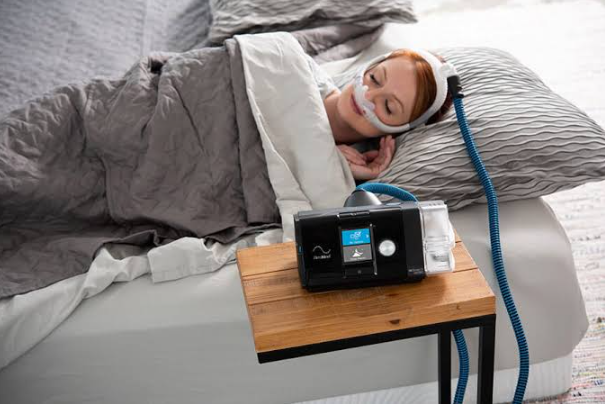
Technology for Comfortable Living blends unobtrusive smart systems with daily routines. It emphasizes calm, seamless automation that handles chores, lighting, and reminders. Wellness-minded design prioritizes indoor air quality, biophilic lighting, and ergonomic spaces, while reliable hubs reduce cognitive load. The aim is adaptable, resilient devices that empower independent living. The approach is practical and integrated, offering a steadier, less stressful day—but what choices best fit a given home may hinge on subtle, everyday decisions.
What Makes a Home Truly Comfortable With Tech
Smart homes prioritize ease of use and reliable performance, but true comfort stems from how technology blends with daily routines.
In this frame, comfort arises from calm lighting that sets mood without distraction and autonomous cleaning that maintains order without micromanagement.
The focus remains on freedom, practicality, and seamless integration, enabling residents to live thoughtfully with minimal effort.
Smart Devices That Save Time and Stress
Smart devices designed to save time and reduce stress operate behind the scenes, handling routine tasks so daily life runs more smoothly. They embody Smart lighting, automating ambiance and energy use while empowering autonomy. Time saving routines coordinate appliances, calendars, and reminders, creating seamless flows. Comfort tech reframes daily friction into ease, and Stress reducing devices provide calm through thoughtful, unobtrusive design. Freedom follows.
Designing Wellness Into Everyday Living
The approach favors intentional environments: indoor air quality, biophilic lighting, energy efficiency, and ergonomic layouts.
These elements support movement, focus, and comfort, empowering individuals to integrate well-being into freedom-filled, practical living without sacrificing aesthetics or autonomy.
Practical Connectivity and Accessible Peripherals
The focus is on reliable micro hub integration and seamless control, enabling independent use.
Tactile interface design empowers varied abilities, offering clear feedback and reduce cognitive load.
This approach supports freedom through adaptable, straightforward, and resilient technology in daily life.
Frequently Asked Questions
How Secure Is My Smart Home Network From Hacking?
Smart home networks vary; security vulnerabilities exist, and hacking risk remains present. They require careful configuration, regular updates, strong passwords, and network segmentation. Privacy implications arise from data collection and device telemetry, underscoring informed consumer choices for freedom.
Can Tech Improve Sleep Quality Without Light Disturbance?
Sleep-friendly lighting can improve rest, while quiet wake routines reduce disruption. Satire opens the note, yet the analysis remains clear-eyed: technology can assist, offering freedom from harsh glare and abrupt awakenings without sacrificing wake-time autonomy.
Are Assistive Devices Compatible Across Brands and Platforms?
Assistive devices often exhibit incompatible ecosystems and brand fragmentation, limiting cross-brand compatibility. While some standards exist, true interoperability remains elusive, constraining users seeking freedom to mix devices across platforms without friction.
See also: newerslim
What Are the Ongoing Costs of Home Automation Systems?
Ongoing costs of home automation include subscription fees, cloud storage, firmware updates, and occasional device replacements; these factors influence long-term budgeting. Regular home maintenance, warranty coverage, and energy use should be considered to minimize total ownership costs.
How Easily Can Tech Adapt to Future Mobility or Aging Needs?
Future mobility and aging needs can adapt steadily as tech evolves, with modular systems and scalable interfaces. The detached observer notes continued interoperability, user-friendly designs, and privacy safeguards, enabling freedom while devices morph to changing mobility and aging requirements.
Conclusion
Technology for Comfortable Living crafts calmer homes through seamless automation, healthier environments, and intuitive interfaces. It coordinates chores, lighting, and reminders; it enhances indoor air quality and biophilic design; it reduces cognitive load with reliable micro hubs and tactile controls. It empowers independence, delivering peace of mind, predictable routines, and practical convenience. It invites balance, reduces friction, honors wellness, and supports thoughtful days. It blends function and wellness, sustains ease, and fosters confidence, enabling residents to live with clarity, comfort, and continuity.