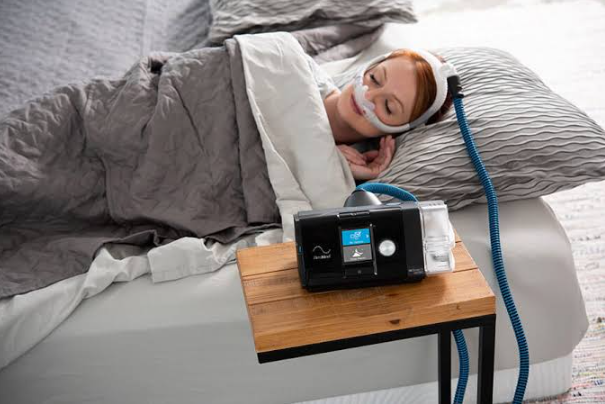
Good-quality sleep plays an important role in everyday health, concentration, and overall wellbeing. For people diagnosed with obstructive sleep apnea, however, maintaining normal breathing during sleep can be challenging. A continuous positive airway pressure device, commonly known as CPAP, is one of the established treatment options used to help keep the airway open during sleep.
When exploring different devices, patients may come across brands and models such as BMC CPAP. Choosing a suitable machine involves more than comparing prices or technical specifications. Factors such as prescribed pressure settings, mask comfort, humidification, portability, maintenance, and professional support can all affect the long-term experience.
What Is CPAP Therapy?
CPAP stands for continuous positive airway pressure. The basic principle is relatively straightforward: the machine delivers pressurized air through a tube and mask while a person sleeps.
For people with obstructive sleep apnea, the upper airway can become narrowed or blocked during sleep. This can result in repeated interruptions in breathing. CPAP therapy provides a flow of air that helps maintain airway openness, reducing interruptions associated with airway collapse.
Because sleep apnea can vary considerably between individuals, treatment should be based on an appropriate medical assessment. A healthcare professional can determine whether CPAP is suitable and what type of treatment approach may be appropriate.
Why Professional Assessment Matters
A CPAP machine is a medical device, so choosing one should not be treated like purchasing an ordinary household appliance.
A proper evaluation can help identify the type and severity of sleep-related breathing problems. Depending on the situation, a healthcare professional may recommend a sleep study or other assessments before treatment begins.
The results can help guide decisions about treatment and pressure requirements. Using an inappropriate setting without professional guidance may result in discomfort or ineffective treatment.
For this reason, people considering CPAP should discuss their needs with a qualified medical professional before purchasing or adjusting a device.
Understanding Different Types of Machines
Not every positive airway pressure device works in exactly the same way.
Traditional CPAP machines provide continuous pressure according to the prescribed setting. Automatic positive airway pressure devices can adjust pressure within a prescribed range based on breathing patterns.
Other forms of positive airway pressure therapy may be appropriate for particular medical circumstances.
The correct choice depends on the individual’s diagnosis, treatment requirements, comfort, and professional recommendation. A more advanced machine is not automatically necessary for every user.
The Importance of Mask Fit
Even a well-designed machine may be difficult to use comfortably if the mask does not fit properly.
A mask that is too loose can allow air to escape, while one that is excessively tight may cause discomfort or pressure marks. Different people also have different facial structures and sleeping positions, so there is no single mask design that suits everyone.
Nasal masks, nasal pillow systems, and full-face masks each have different characteristics. A professional fitting can help users identify a suitable option.
Comfort is particularly important because CPAP treatment is normally used during sleep on a regular basis.
Humidification and Comfort
Some users experience dryness or nasal discomfort when beginning CPAP therapy. Humidification can sometimes help make the airflow more comfortable.
A humidifier adds moisture to the air delivered through the system. Whether it is needed depends on the individual and the environment in which the machine is used.
Other comfort considerations may include heated tubing, mask design, pressure settings, and room conditions.
If discomfort continues, users should seek professional advice rather than simply abandoning treatment or changing prescribed settings without guidance.
Cleaning and Maintenance
Regular maintenance is an important part of using a CPAP device.
The mask, tubing, water chamber, filters, and other components can require routine cleaning or replacement. Exact maintenance schedules depend on the equipment and manufacturer instructions.
Keeping components clean can support hygiene and help the equipment operate properly.
Users should also inspect equipment periodically for signs of wear, leaks, cracks, or other damage. Replacement parts should be compatible with the specific machine and should be obtained through appropriate suppliers.
Choosing a Device for Travel
People who travel frequently may have different requirements from those who mainly use a CPAP machine at home.
A smaller travel-oriented device may be easier to pack and transport. However, portability should be considered alongside features such as power requirements, accessories, mask compatibility, and the user’s prescribed treatment settings.
Before travelling, users should make sure they have all necessary equipment, including the machine, power supply, mask, tubing, and any required accessories.
It is also useful to plan for situations where electrical outlets or compatible power sources may not be readily available.
Evaluating the Supplier
The supplier is another important consideration when purchasing a medical device.
A reputable provider should be able to explain the machine’s features, provide appropriate product documentation, and offer after-sales assistance. Technical support can be particularly useful when users need help with maintenance, replacement parts, or equipment operation.
Professional training and service capabilities can also provide additional reassurance.
When comparing suppliers, buyers should look beyond the initial purchase price and consider the long-term support available after the machine has been purchased.
CPAP and Long-Term Treatment
CPAP treatment is often part of a longer-term approach to managing sleep apnea.
Consistent use can be important for people who have been prescribed the therapy. However, individual experiences can vary, especially during the adjustment period.
Some users need time to become comfortable wearing a mask and sleeping with airflow. Small issues such as mask leakage, dryness, or discomfort can sometimes affect regular use.
Rather than making major changes independently, users should discuss persistent problems with their healthcare provider or qualified equipment professional.
Making an Informed Choice
A good purchasing decision should consider the complete treatment experience.
Instead of focusing only on brand or price, compare factors such as machine type, pressure capabilities, noise level, mask compatibility, humidification options, portability, maintenance requirements, warranty, and after-sales support.
It is also worth considering how frequently the machine will be used and whether the user needs a separate solution for travel.
A device that fits the user’s treatment plan and lifestyle can make regular use more manageable.
Three Common Questions
1. Is CPAP suitable for everyone with sleep apnea?
CPAP is a commonly used treatment for obstructive sleep apnea, but treatment should be determined according to an individual’s medical assessment. A healthcare professional can advise whether CPAP is appropriate.
2. How often should a CPAP machine be cleaned?
Cleaning requirements vary by component and manufacturer. Users should follow the instructions supplied with their specific equipment and replace consumable parts according to the recommended schedule.
3. What should I do if my CPAP mask feels uncomfortable?
Check that the mask is fitted correctly and discuss persistent discomfort with a healthcare professional or qualified equipment provider. Avoid changing prescribed pressure settings without appropriate guidance.
Conclusion
CPAP therapy can be an important part of managing obstructive sleep apnea, but choosing and using the equipment properly requires more than simply selecting a machine. Medical assessment, suitable pressure settings, mask comfort, maintenance, and reliable after-sales support all deserve consideration.
Whether selecting a home device or considering a portable option for travel, users should follow professional advice and the manufacturer’s instructions. With appropriate equipment and ongoing support, CPAP users can develop a more consistent and comfortable treatment routine while taking a responsible approach to their sleep health.